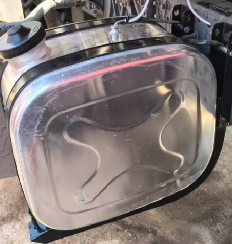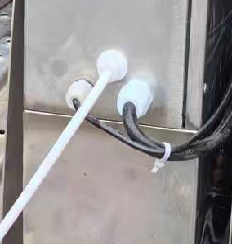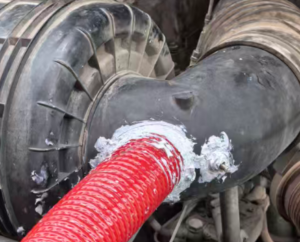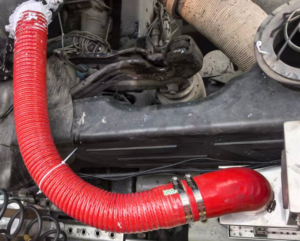
Final Installation Check: 1. Ensure the gas lines are installed tightly, with no air leaks. 2. Confirm electrical connections are good. All wiring must be connected, properly joined, and firmly secured. 3. Ensure adequate space is left between the device and surrounding components for ventilation.
step 1
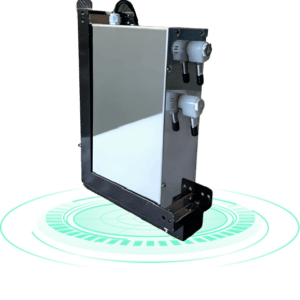
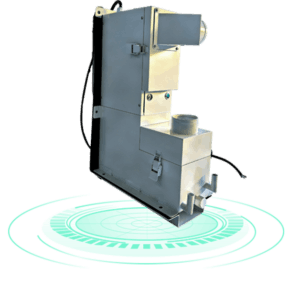
Determine the installation location: Choose a safe and flat surface on the vehicle roof. Ensure the device does not contact the vehicle at its maximum upward turning angle. Position the auxiliary bracket and main unit on the vehicle platform and secure them firmly. After installation is complete, install the indicator light in a suitable location on the vehicle roof and make corresponding adjustments. Connect the external water source to the water inlet of the main unit.
step 2
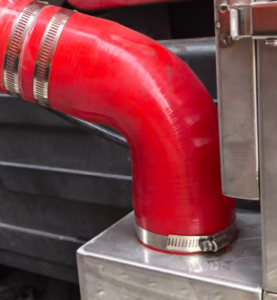
Install the conduit: Maintain sufficient distance between the device outlet interface and the rubber conduit opening to ensure safety and proper component opening. If replacement is needed after opening, hold the other end, connect the power, and turn on the relevant power switch to avoid air leakage. (Special attention: Prevent interference between the anti-freeze/anti-condensation device and the vehicle engine.)
step 3
Install the sensor: Locate the appropriate wiring harness at the top of the vehicle and connect the device’s sensor connector securely. (No special tools or manual force required for installation.)
step 4
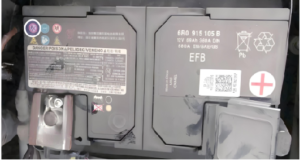
Make electrical connections: Connect the device red wire to the positive terminal (red), the device black wire to the negative terminal, and the extension wire (short wire) to the corresponding connector. Wrap connections with insulating tape. After completion, place the device in the designated location, turn on the device power, start the engine manually; a red light indicates operation.